Chapter 4: Not a Vacation
September is my mom's birth month, and September 2014 was her year to go to India. Specifically, it was her year to see the Taj Mahal. She'd been working through the New Seven Wonders of the World — not obsessively, not with a spreadsheet, but as a loose organizing principle for the birthday trips we'd started doing after Romania. The Taj Mahal was on the list. So India it was.My sister and I agreed to go. Two of the people we'd met on the Halloween in Transylvania tour also signed on — one of them a genuinely seasoned world traveler who had zero interest in India specifically, but came anyway because we were going. That's either a compliment to us as travel partners or a testament to how easy it is to talk yourself into things when you have good company. Probably both.The tour was G Adventures' Delhi to Kathmandu — fourteen days, overland, ending in Nepal.Unforgettable Experiences
India has incredible experiences worth booking in advance
Affiliate links • Helps fund my adventures at no extra cost to you
Delhi
I went into it knowing India would be a culture shock. I'd read enough, seen enough, heard enough from people who'd been there. I thought I was prepared.I wasn't. You can't really be. No amount of reading puts you in the right frame of mind for what you step into when you land in Delhi. The trash is everywhere — not a little, not what you'd call litter, but genuinely staggering quantities of it, accumulated along every road and alley and open space, as if the entire country has made a collective peace with the fact that surfaces exist primarily to hold garbage. The air is thick in a way that's hard to attribute to any single thing. The noise is constant. And woven through all of it: animals. Cows in traffic. Dogs in doorways. All of them navigating the same streets as everyone else, some of them visibly starving, picking through the garbage because there's nothing else. I don't mind animals in the street. I actually like that part, in principle. Watching a cow hold up a Delhi intersection like it's got somewhere more important to be — that's legitimately funny. What I couldn't shake was the condition of most of them.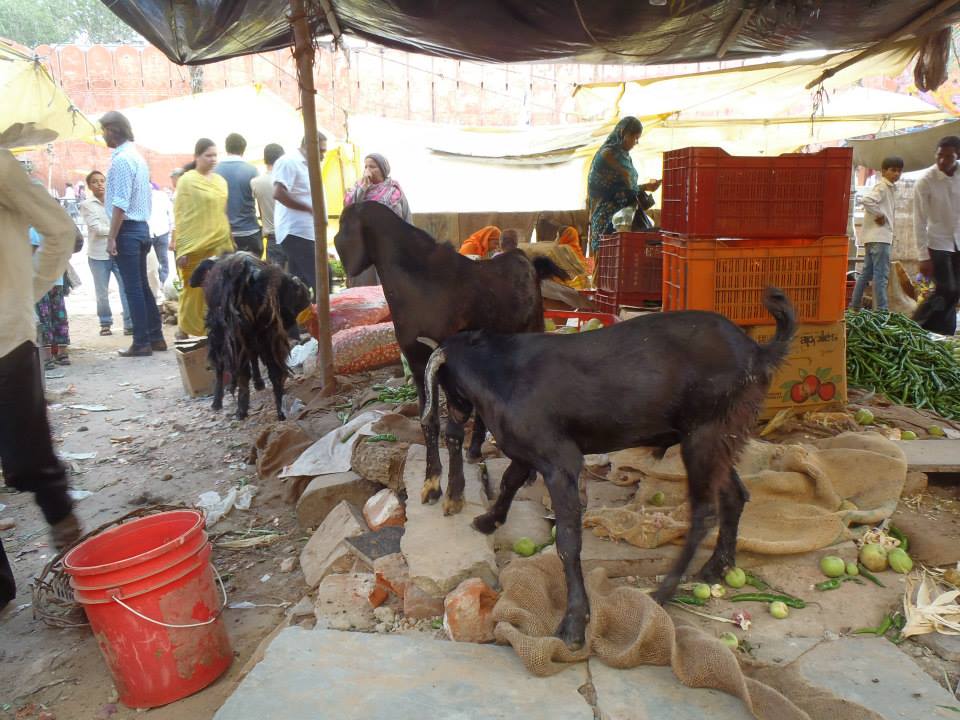
Book Your Flight
Compare flights to Delhi and find the best deal
Affiliate links • Helps fund my adventures at no extra cost to you
Jaipur
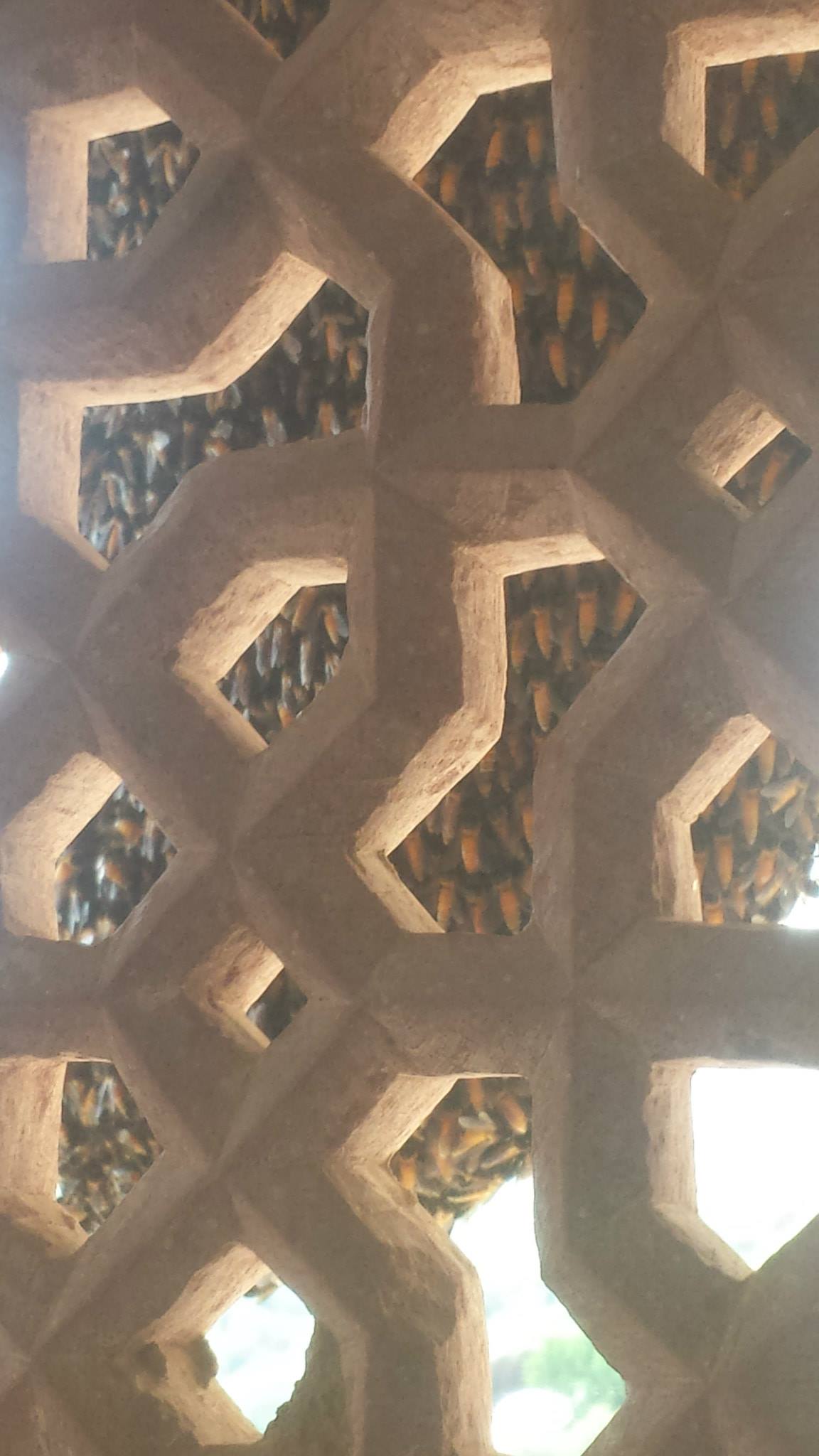
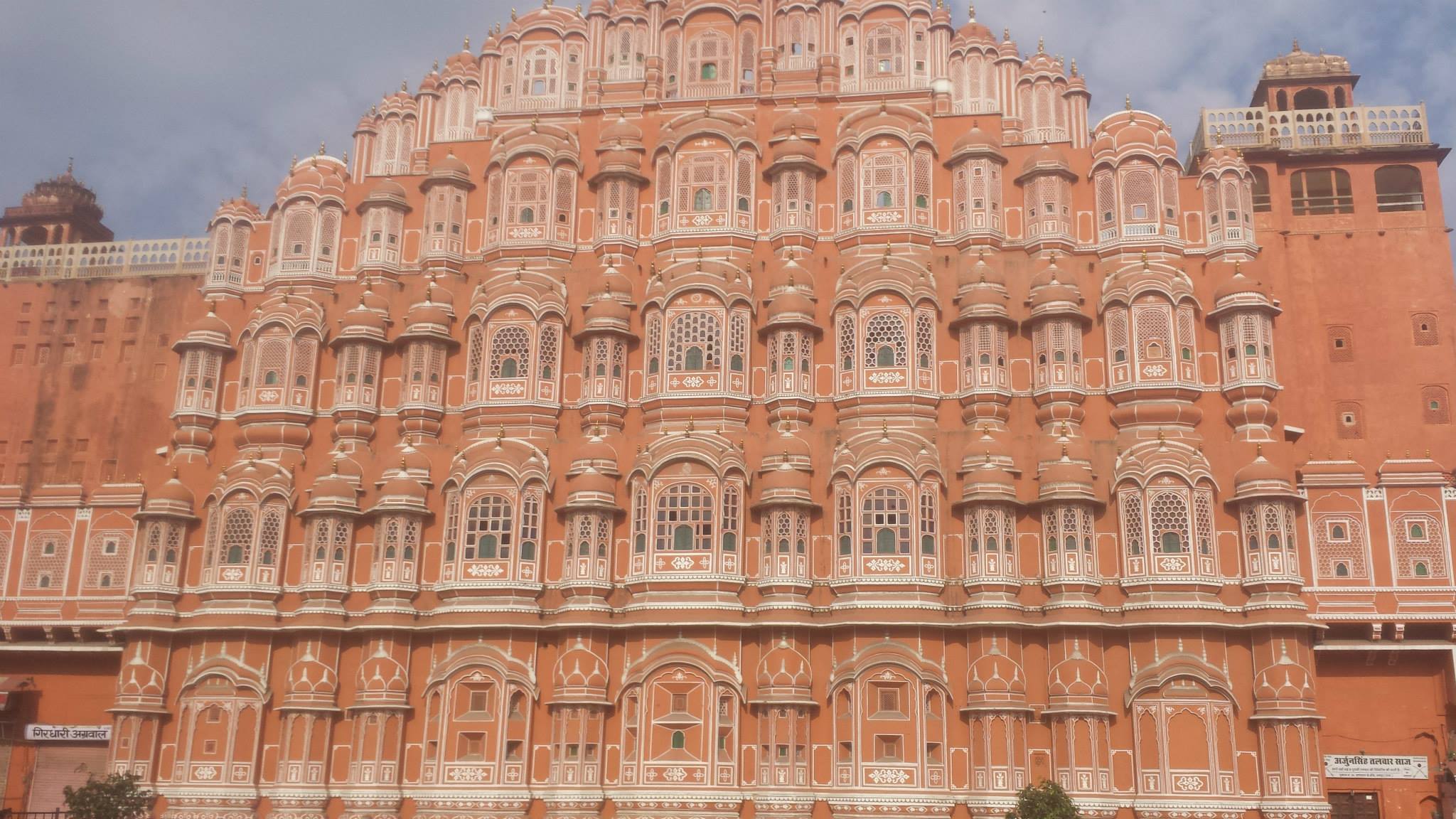
Jaipur was next — the Pink City, a nickname earned honestly. The old city's buildings are painted in terracotta shades of pink and red that were mandated by the maharaja in 1876 for the Prince of Wales's visit and apparently just stayed. We stayed in the old city, walking distance from everything worth seeing.One of those things is the Amber Fort — Amer Fort, properly — about eleven kilometers outside the city, clinging to a forested hill above Maota Lake. Construction started in 1592 under Maharaja Man Singh I, a general in the army of the Mughal Emperor Akbar, and successive rulers added to it for the next century and a half. The result is a labyrinthine palace complex built from honey-colored sandstone and white marble, four main courtyards leading from the public to the increasingly private, each one more elaborate than the last. The Sheesh Mahal — the Hall of Mirrors — is the centerpiece of the inner apartments: a room where the walls and ceiling are inlaid with thousands of tiny mirrored pieces, designed so that a single candle flame would reflect as an entire sky full of stars. Akbar's general built this for his queen because she wasn't allowed to sleep outside. India is full of that kind of detail — something magnificent sitting on top of something grim, and the two things completely inseparable.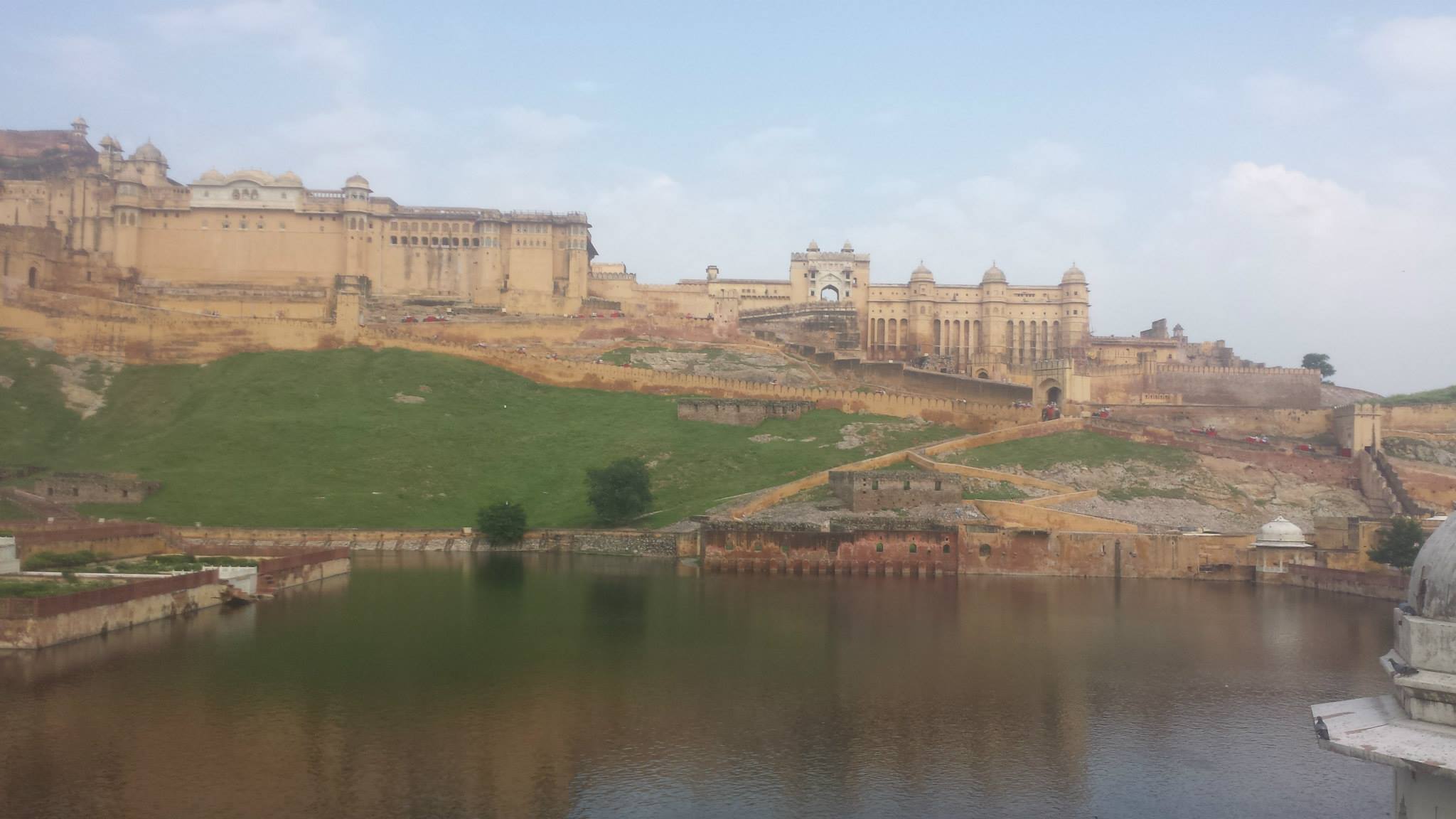
Perfect Places to Stay
Find the best hotels in Jaipur — I always recommend booking early
Affiliate links • Helps fund my adventures at no extra cost to you
Agra: The Taj Mahal
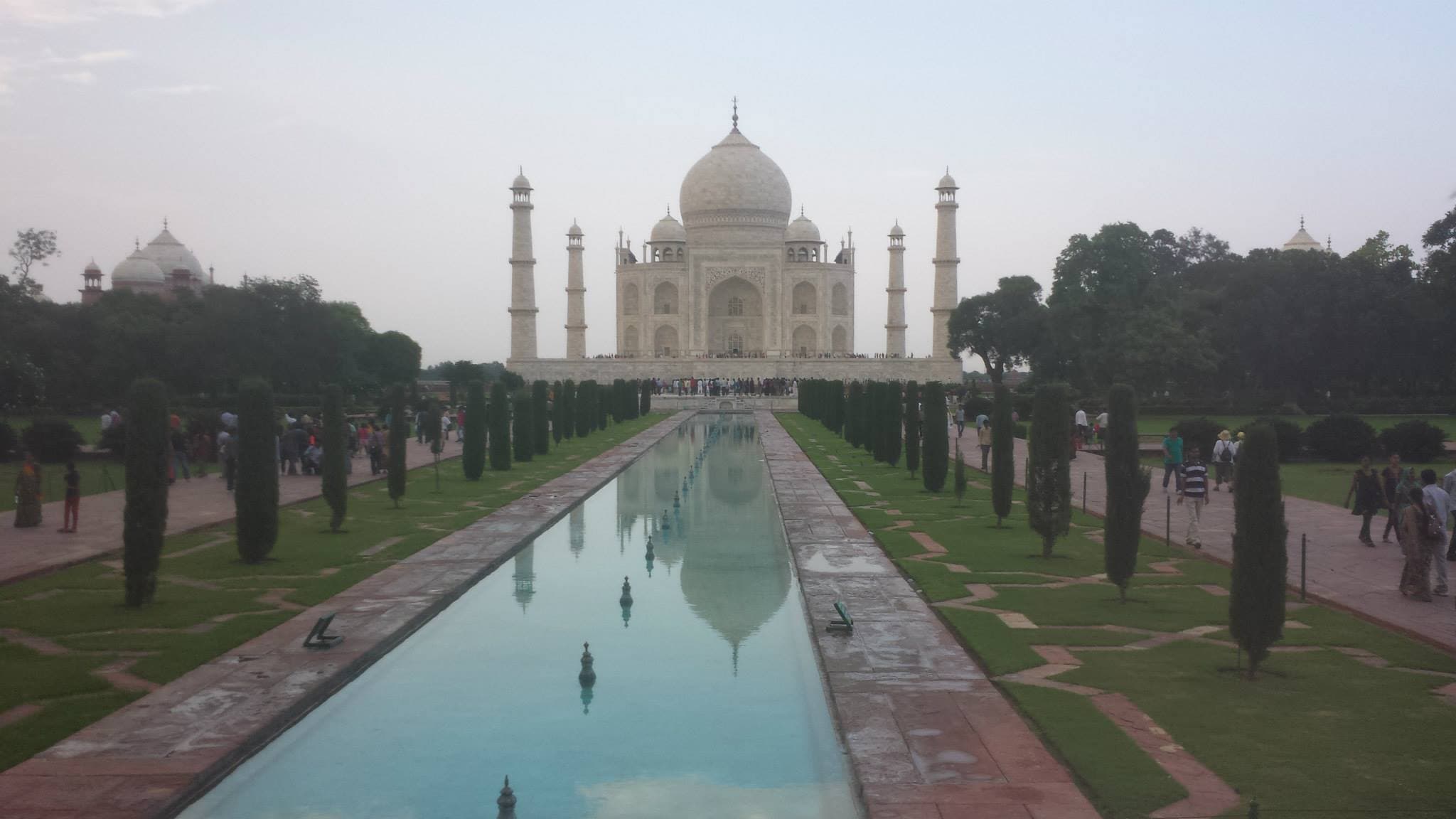
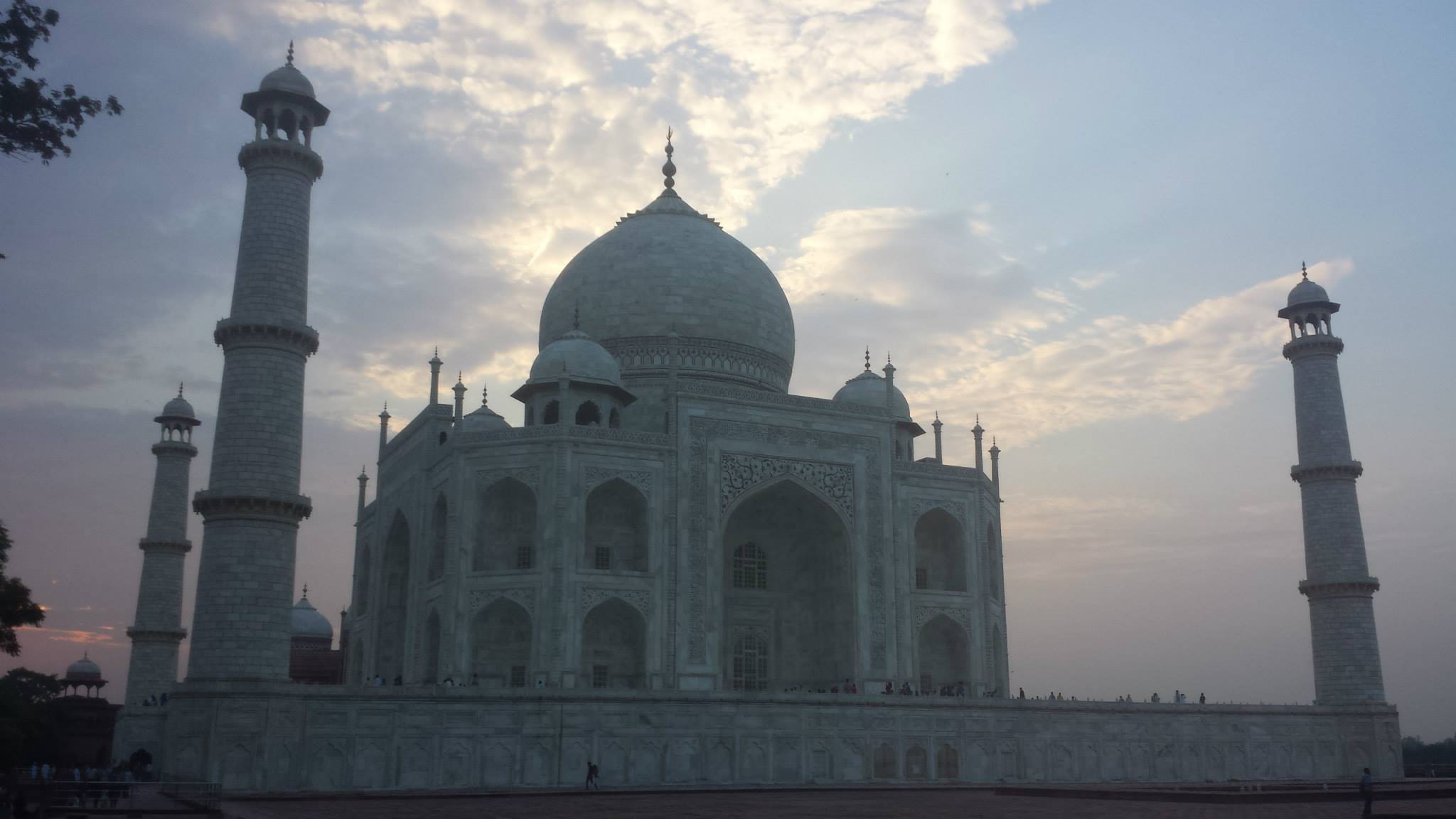
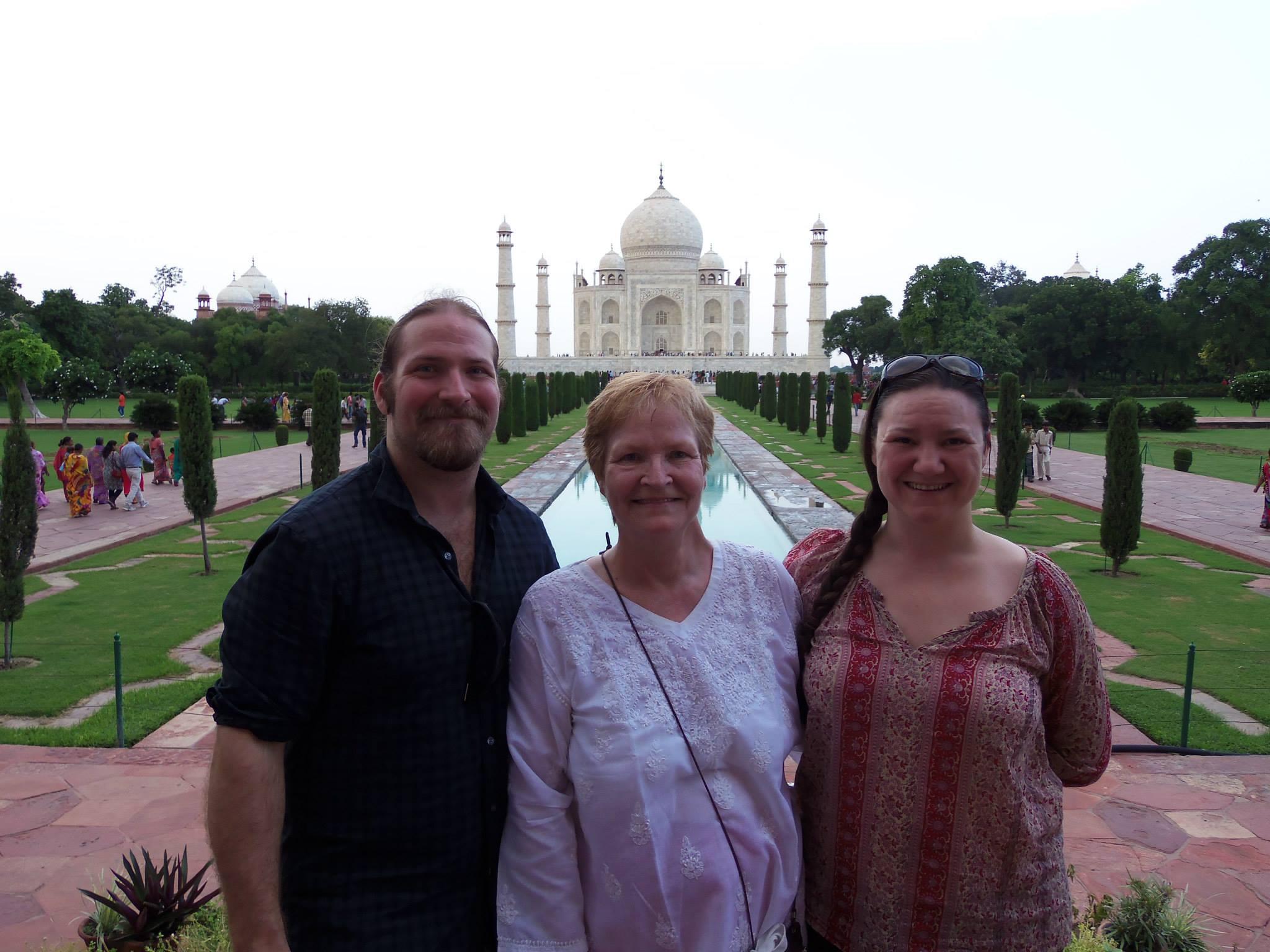
Then came Agra and the Taj Mahal — the reason any of us were in India at all, at least from my mom's perspective. I'll be honest with you: I'm not sure the Taj Mahal deserves its spot on the list. It's a beautiful building. The white marble, the symmetry, the reflecting pool — all of it is exactly what it looks like in photographs, which is part of the issue. At this point in my travel history, I had seen things that moved me in ways I didn't expect. The Taj Mahal did not move me in any unexpected way. It is a monument so thoroughly documented and reproduced that standing in front of it felt more like confirming something I already knew than discovering something new. My mom stood in front of it and had the opposite experience. That's the thing about bucket lists — they're personal. Hers made complete sense. Mine just didn't include this one.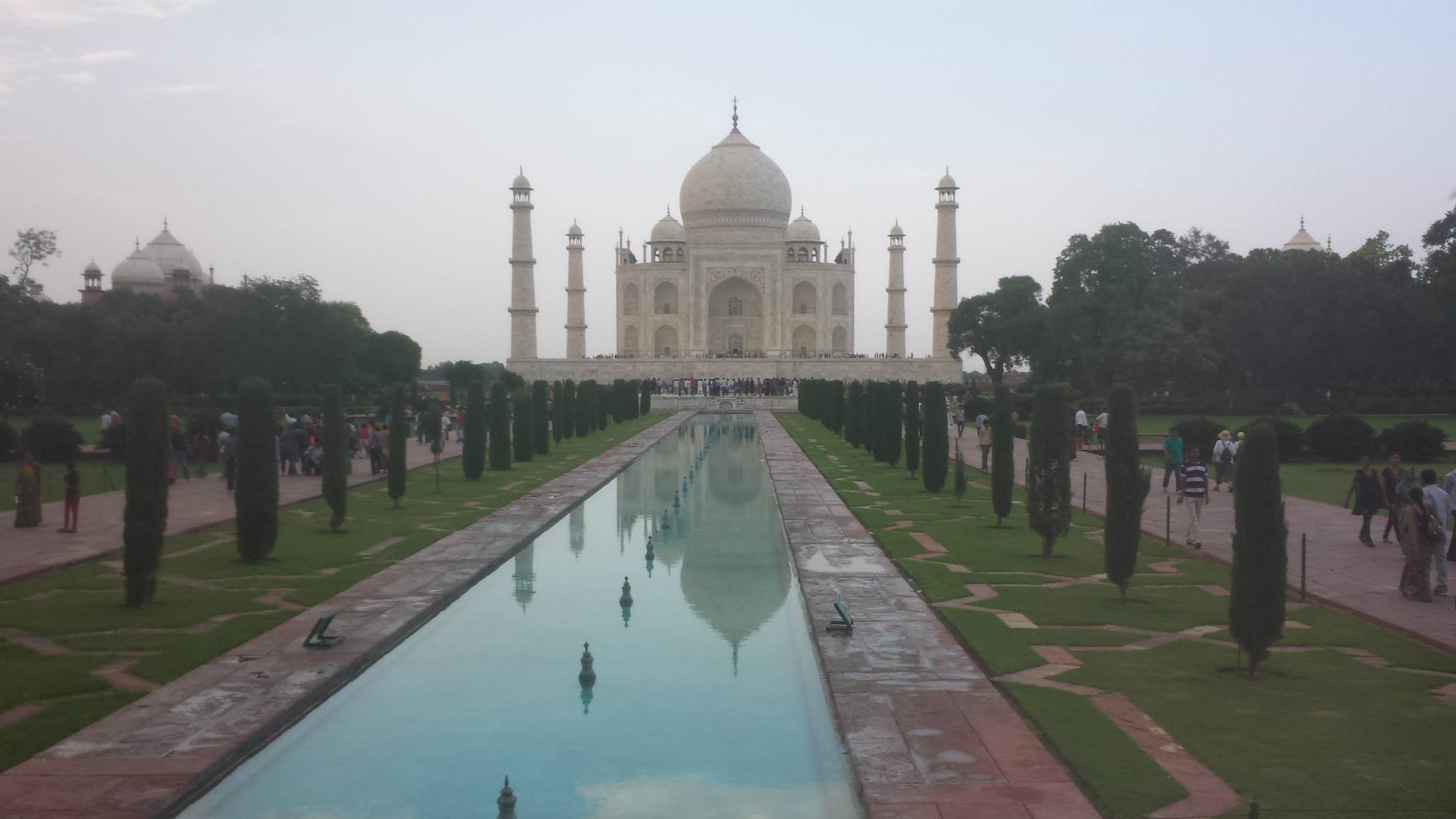
Orchha
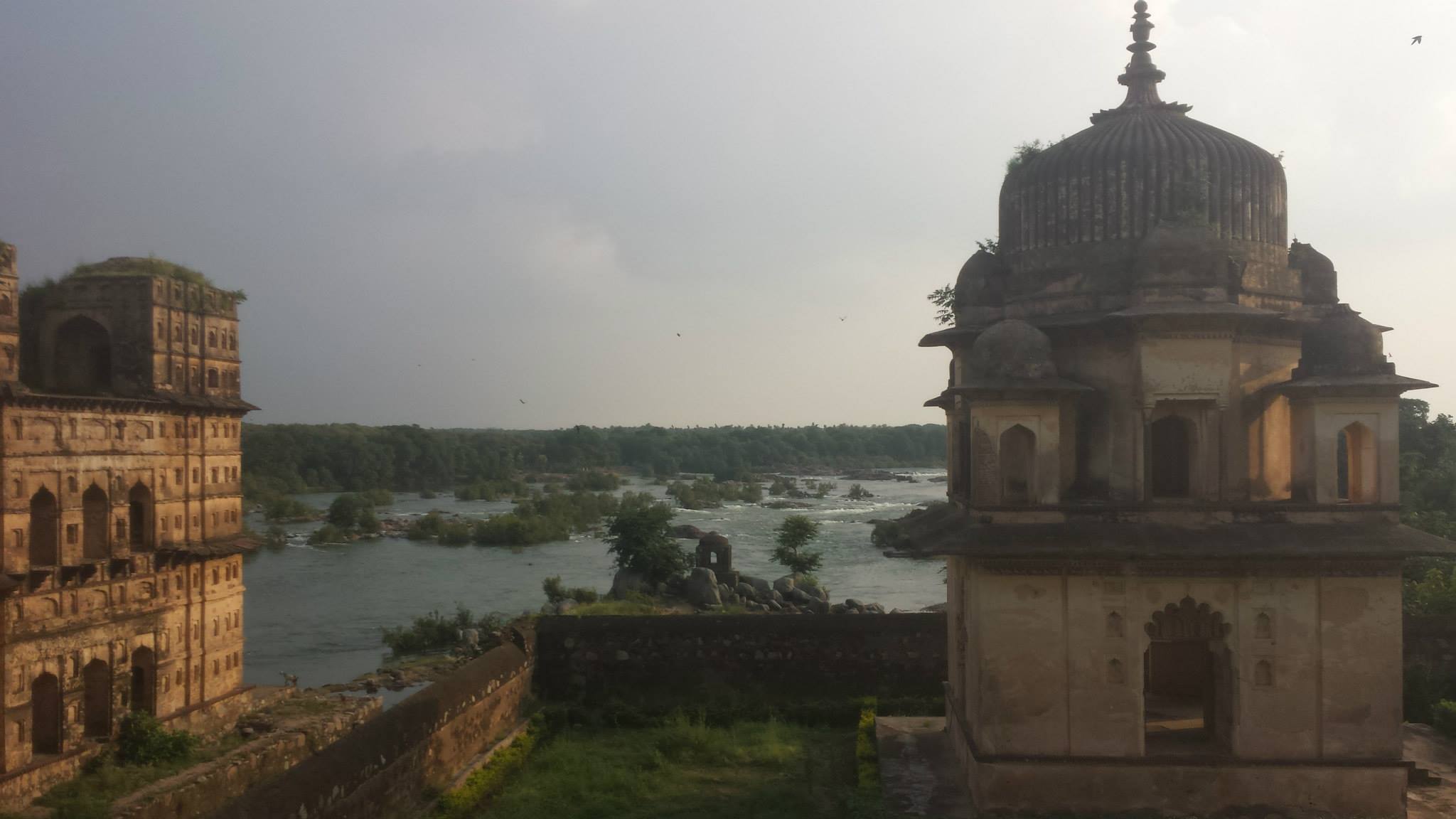
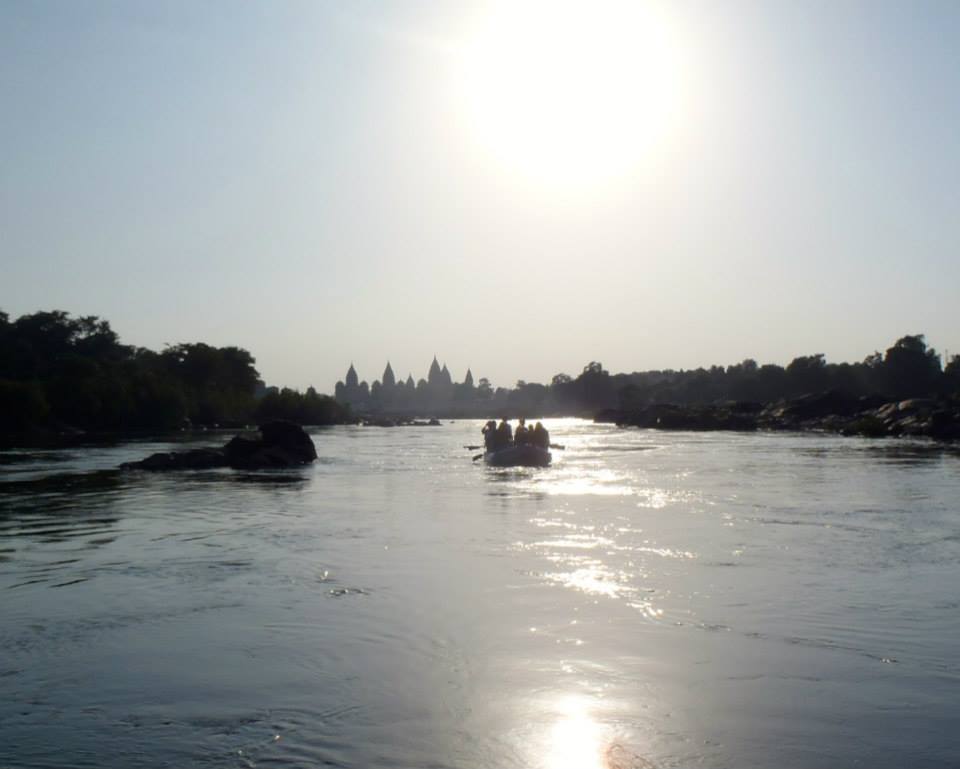
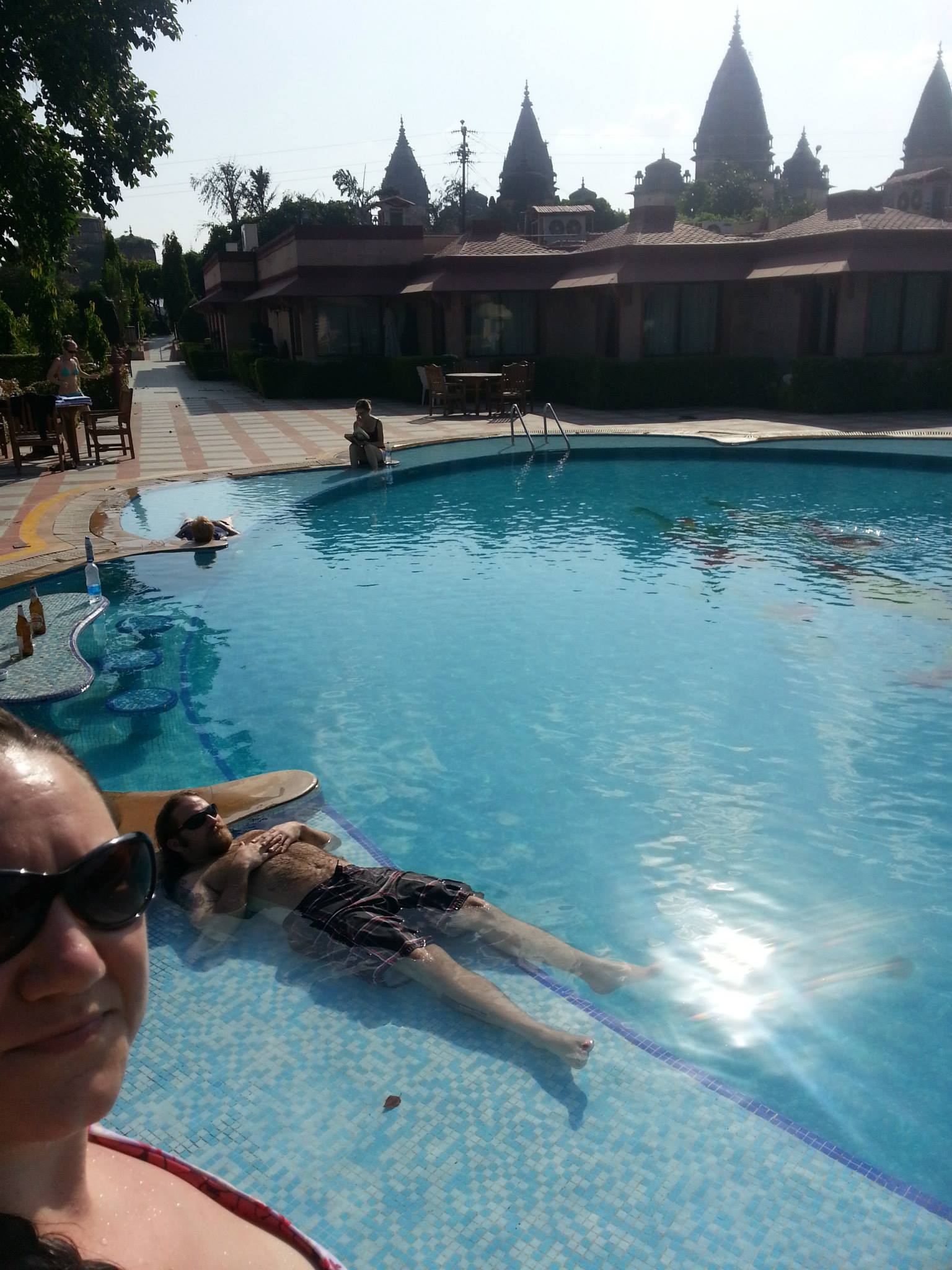
Orchha came next, and this is where the trip found its footing for me.Orchha sits on an island in the Betwa River in Madhya Pradesh, accessible by causeway — a medieval fortified city founded in the early 16th century by the Bundela Rajput chief Rudra Pratap Singh and built up over the next hundred-plus years by successive rulers. At its height it was one of the significant Rajput capitals of central India. Then the capital shifted, the political center of gravity moved, and Orchha was largely left alone. The palaces didn't get repurposed into hotels or government offices or shopping centers. They just sat there and slowly became ruins, which is exactly the condition I prefer.The fort complex holds three main palaces — the Raja Mahal, the Jahangir Mahal, and the Rai Praveen Mahal, each one built for a different purpose by a different ruler. The Jahangir Mahal is the most immediately striking: four stories of Mughal and Rajput architecture fused together, built entirely by the Bundela king Bir Singh Deo as a single-night gesture of hospitality for the Mughal Emperor Jahangir's visit in 1605. It has eight large domes, latticed windows, and turquoise tilework on the entrance gate. It was built to receive an emperor for one night and it still stands four centuries later. The temples scattered through and around the complex rise in tall, narrow spires above the Betwa River, visible from the water.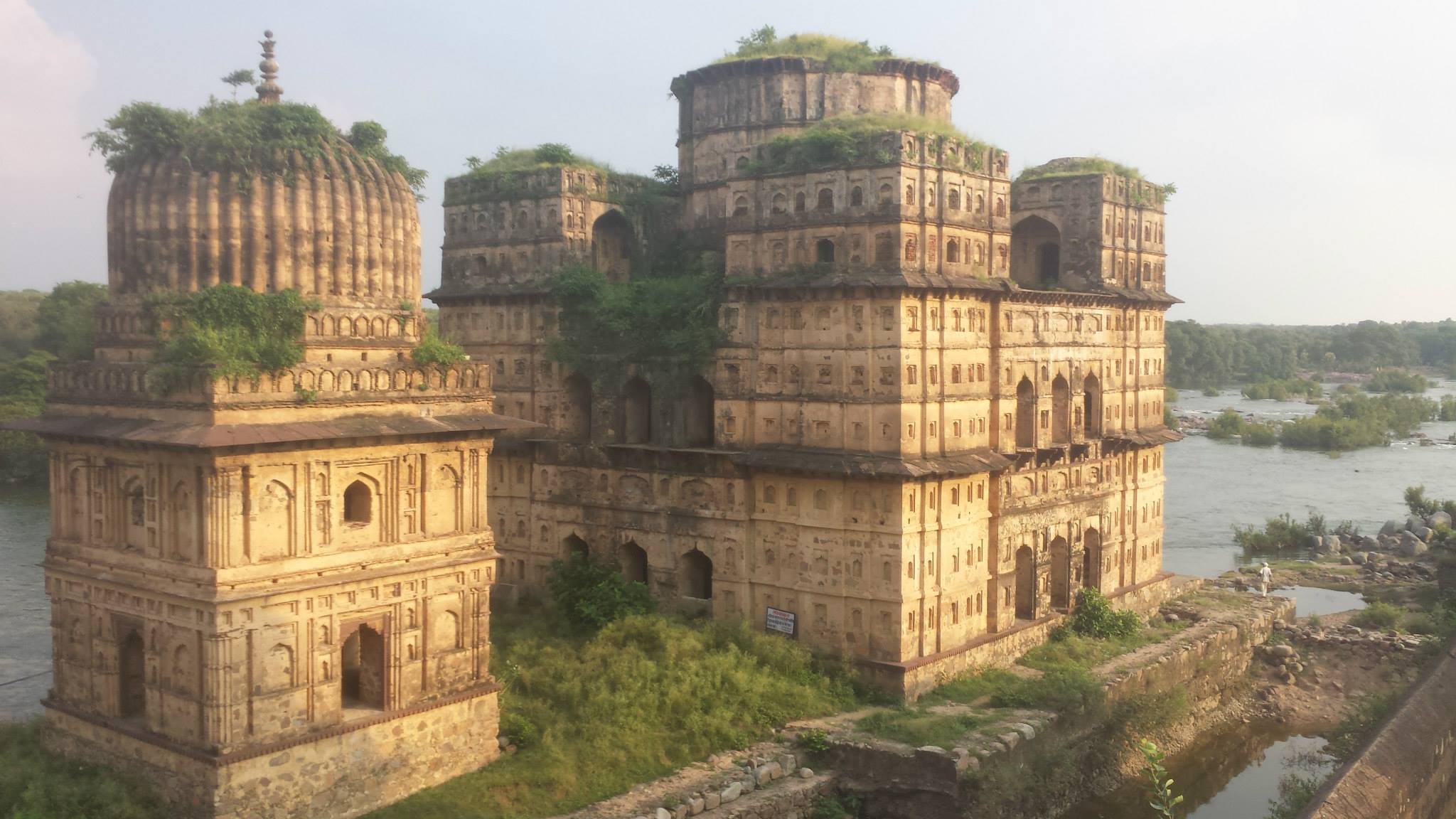
Varanasi
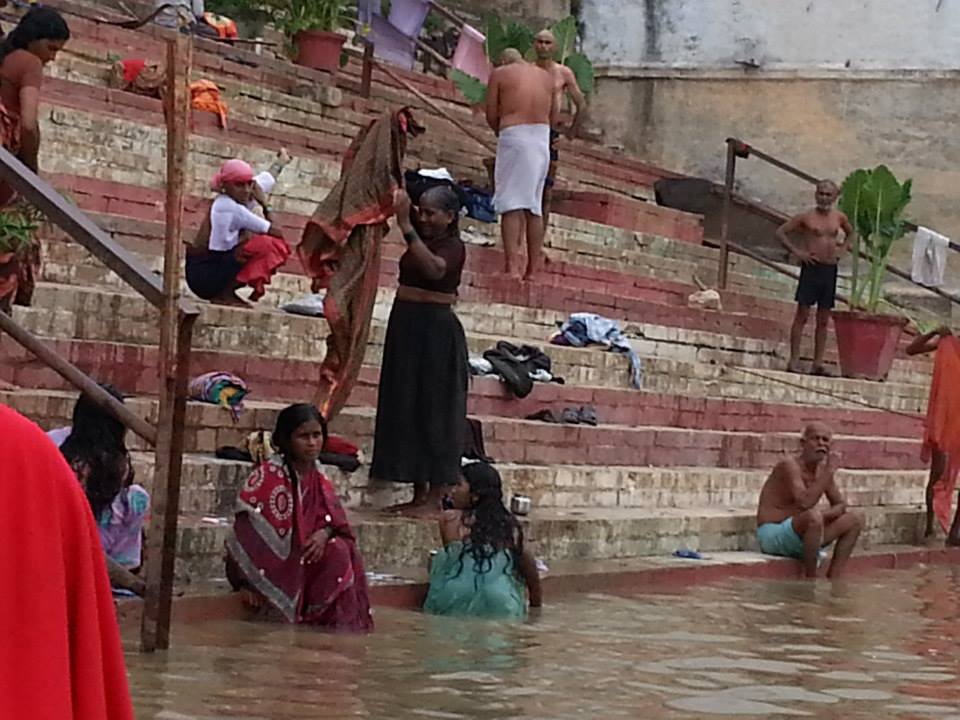
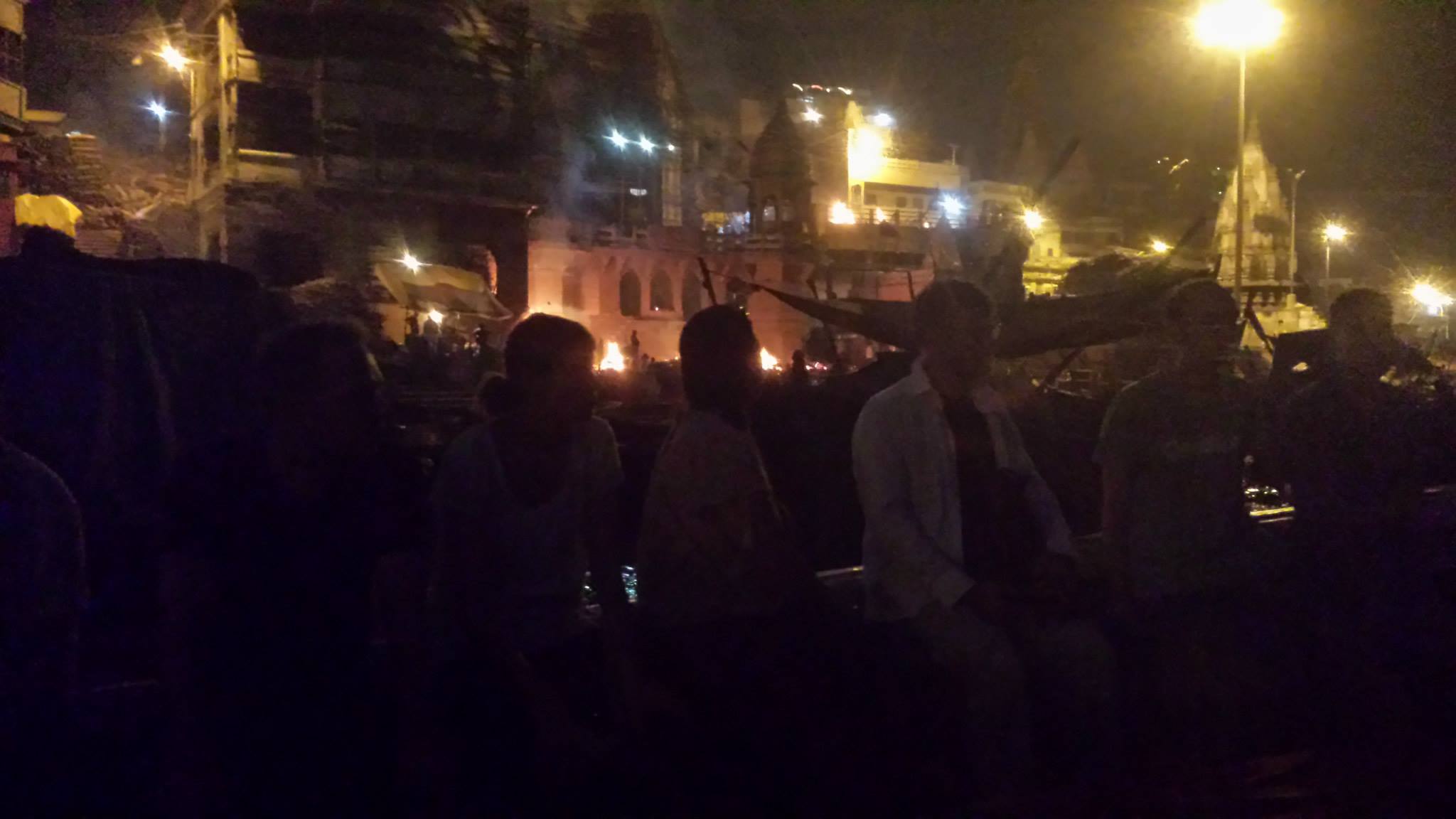
From Orchha the tour took an overnight train to Varanasi, which may be the most intense city I've ever spent time in. Varanasi is one of the oldest continuously inhabited cities on Earth — estimates put it at somewhere between three and five thousand years of uninterrupted occupation. It sits on the Ganges, and the Ganges is the reason everything here is what it is. The city exists in its current form because Hindus believe that dying in Varanasi and being cremated on its banks releases the soul from the cycle of rebirth. Thousands of people come to die here deliberately. Every day, dozens of bodies are cremated at Manikarnika Ghat — the main burning ghat — which is referenced in inscriptions going back to at least the 5th century. The fire used to light the pyres is, by tradition, never extinguished.We went by boat at sunset. The idea is to give you distance and perspective, and it works. From the water you can see the ghats stacked up along the bank — steps leading down from the city, hundreds of them, each with its own ritual purpose. At Manikarnika the smoke rises from multiple pyres burning simultaneously; you can see the orange against the sky. A few hundred meters in the other direction, people are bathing in the same river, brushing their teeth, doing laundry. The Ganges is simultaneously one of the holiest and one of the most polluted rivers on Earth, and both of those things are happening at the same time in plain sight. You cannot watch this and not think about what you're watching. That's not a bad thing. That's the point.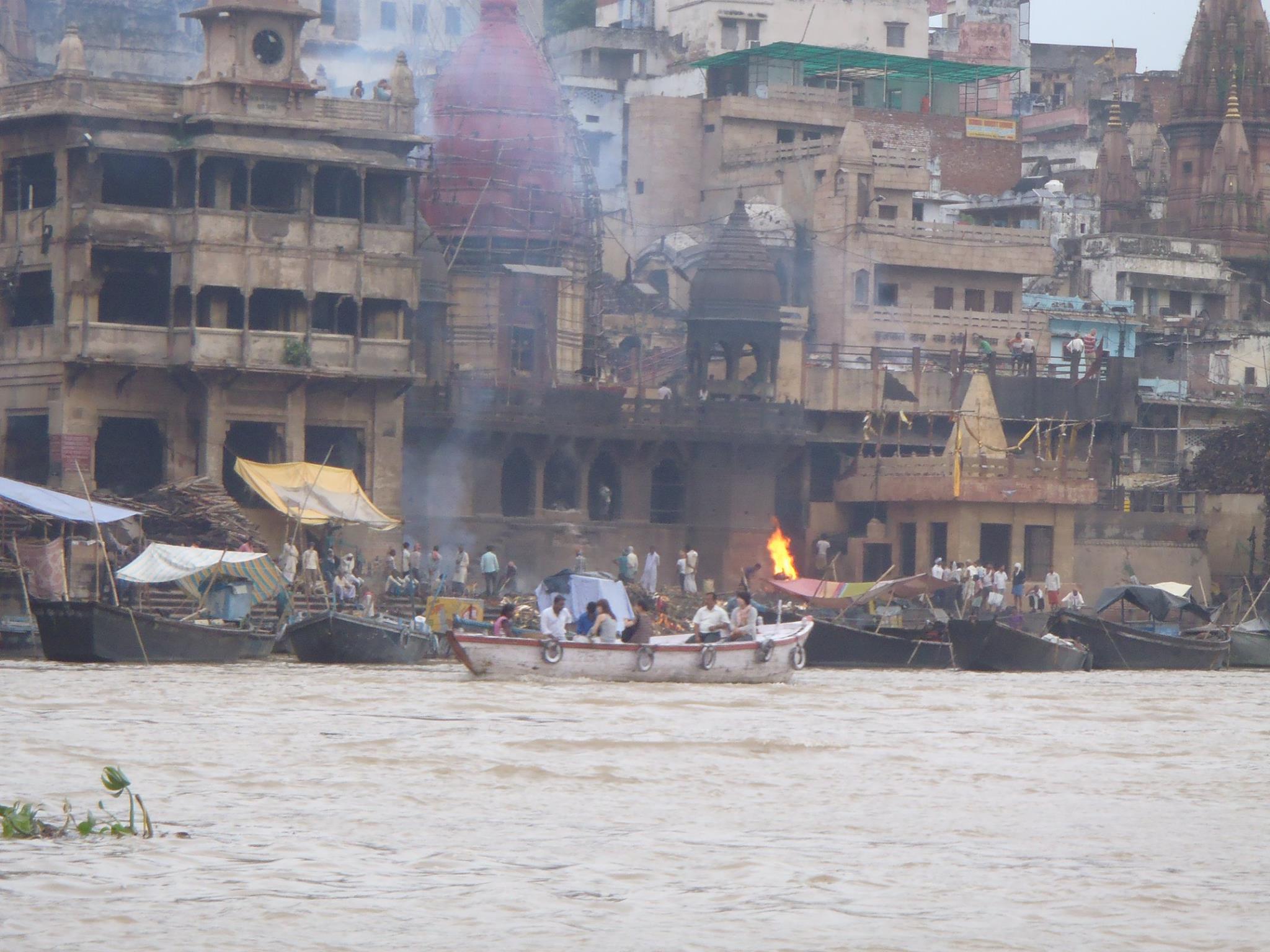
Into Nepal: Lumbini
We crossed into Nepal at the border town of Sunauli, and something shifted immediately. The streets on the Nepalese side were cleaner. The gardens were maintained. The houses looked like people were choosing what to do with the space around them. After weeks in India, the contrast hit faster than I expected.Our first stop in Nepal was Lumbini — the birthplace of Siddhartha Gautama, the historical Buddha, born here around 563 BCE. The Maya Devi Temple marks the exact spot, built over a structure that dates back at least to the 3rd century BCE, when Emperor Ashoka made a pilgrimage here and commissioned a commemorative pillar. The surrounding complex holds dozens of monasteries built by Buddhist nations from across the world — Sri Lanka, Thailand, Japan, China, Myanmar — each one in a different architectural tradition, all of them facing the same central site. It's an unusual kind of place: sacred and deliberately international at the same time.Perfect Places to Stay
Find the best hotels in Nepal — I always recommend booking early
Affiliate links • Helps fund my adventures at no extra cost to you
Royal Chitwan National Park
Then Royal Chitwan National Park, which I want to be straightforward about because it was genuinely upsetting in one specific way. The park itself is real conservation — rhinos, tigers, crocodiles, a properly functioning ecosystem. The community homestay with the Tharu people was excellent. The 4x4 safari was good. None of that is the issue.The issue is the elephants.They were chained to concrete slabs. Not in movement, not in limited containment — chained, mostly immobile, for the better part of the day. It was one of the most depressing things I saw on the entire trip, and I said so to the staff on site, which my mom had asked me not to do because she knew what was going to come out of my mouth. I asked them directly how they reconciled keeping some of the most intelligent animals on Earth chained to concrete and calling it a sanctuary. They told me the elephants had to be restrained because otherwise they would damage neighboring farmland. I told them the word sanctuary seemed to have gotten lost in translation somewhere. The conversation did not change anyone's mind, but I couldn't not have it. As an animal lover who'd watched animals in various states of neglect for two solid weeks, that moment crystallized something I'd been carrying the whole trip: a deep confusion about how a region with reincarnation as a core religious belief can look at animals with such apparent indifference. I've never resolved that confusion. I still haven't.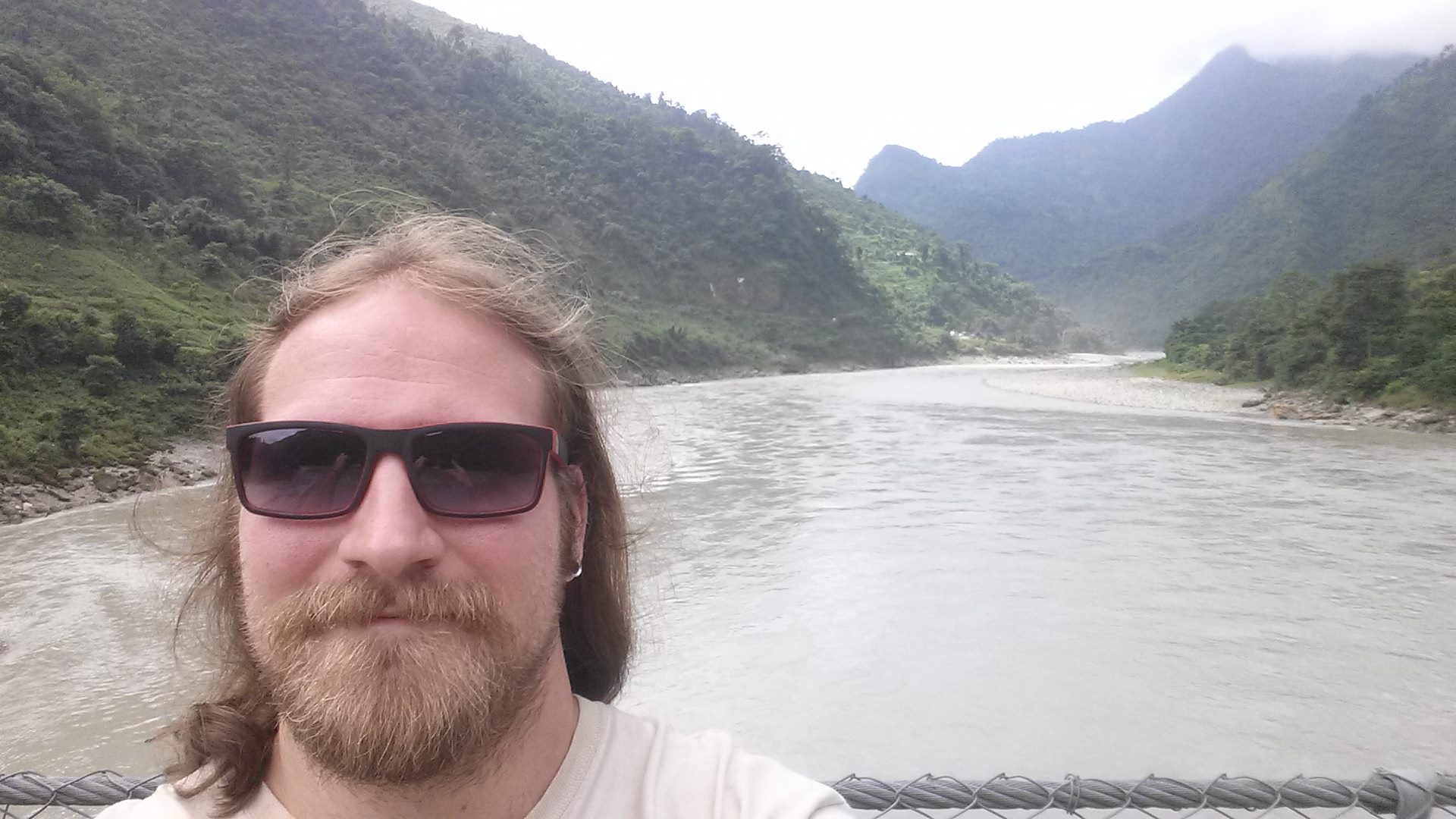
Pokhara
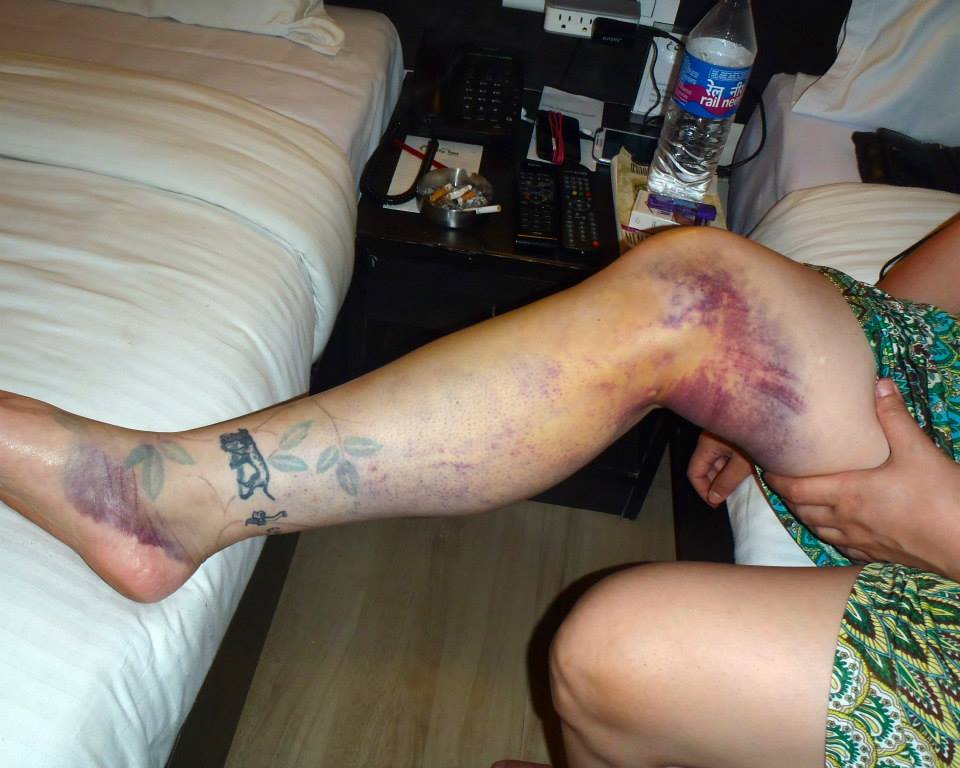
We had a canoe trip on the Narayani River. Pokhara was next — the city in the foothills of the Annapurna range where every serious trekker eventually passes through, gateway to the Himalayas and the start of the Everest Base Camp approach. My sister and I had hang gliding booked. The evening before we went out with the tour group to a bar nearby, which was a good night right up until it wasn't.At some point in the evening I started feeling sick. Not tired-sick — actually sick, progressively worse, the kind where you're still making conversation while calculating how much time you have. By the time I realized I needed to leave immediately, a full monsoon downpour had started outside. Not heavy rain — a flooding-level event. The streets were rivers. I'm not being metaphorical: water was flowing through them, thigh-depth in places, the runoff from the Himalayan foothills concentrating everything into the narrow city streets below. I walked back to the hotel through it. There was no other option.I was the only person on the tour who got sick from food, which is its own special kind of frustrating given that I was the most careful about what I ate. I woke up the next morning feeling significantly worse. My sister went hang gliding without me and has brought it up approximately forty times since. She describes it as one of the best experiences of her life, which I'm sure is completely accurate and I have no interest in hearing about it again. I spent the day in my hotel room with no air conditioning in the Nepalese heat, unable to eat, running a calculation on how much longer the trip had.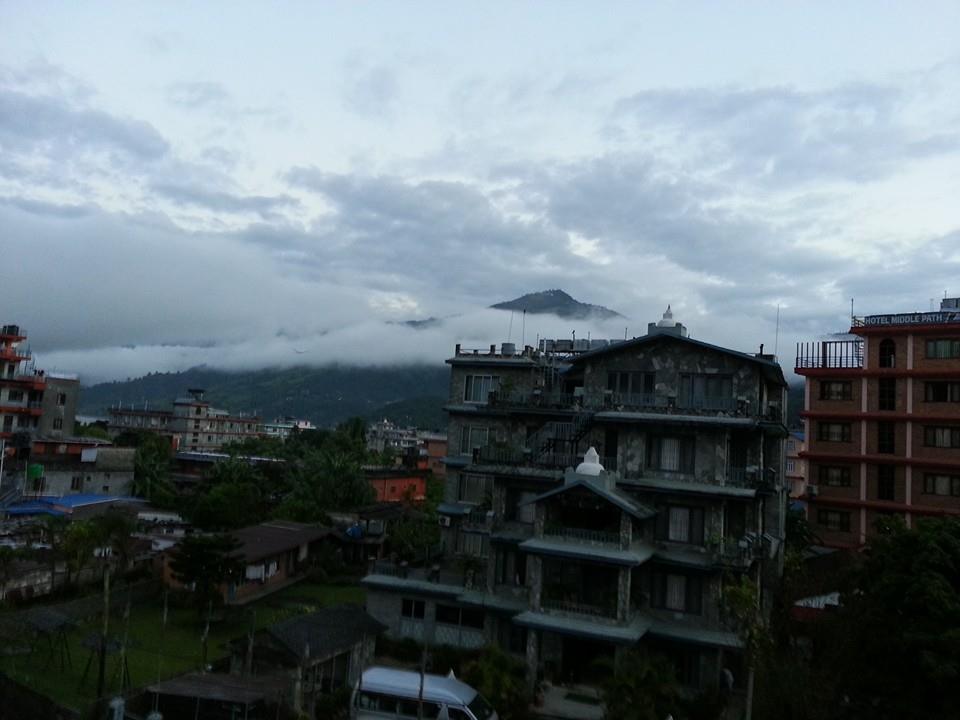
Kathmandu
My mom booked herself and me flights directly to Kathmandu rather than the included bus — a call I did not argue with in my current state. My sister elected to take the bus anyway, said the mountain views on the drive were worth it, and arrived in Kathmandu separately. The flight crosses the Himalayas at close range, and I had a window seat on the Everest side, which meant that for the duration of the crossing every other passenger on that side of the plane was leaning across me to take photos. I was too sick to be annoyed by it. The view was extraordinary.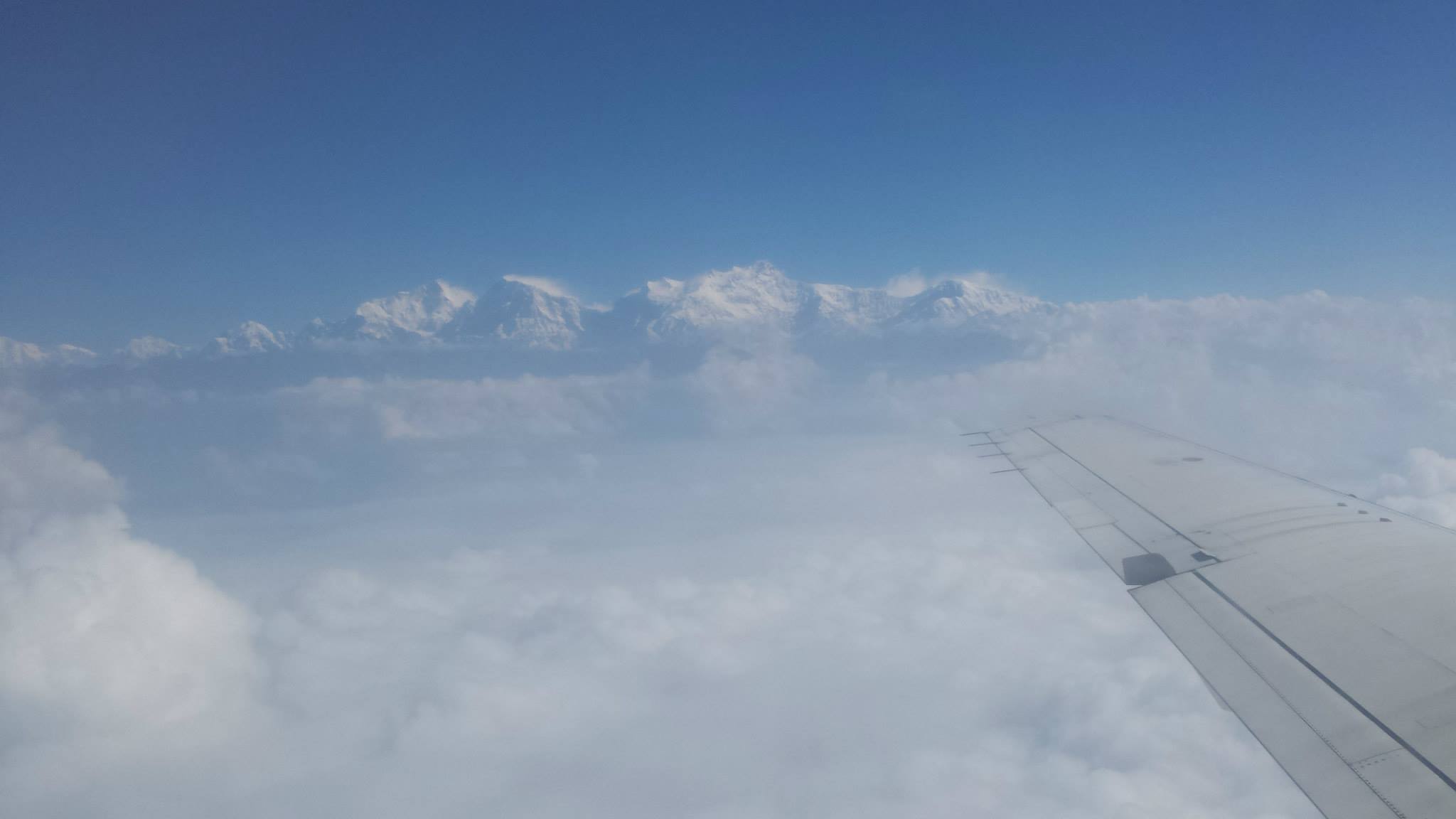
Further Reading
Books about India — history, culture, and the context that makes travel richer
Affiliate links • Helps fund my adventures at no extra cost to you
Support My Travels
Affiliate links help fund my adventures • No extra cost to you
Affiliate link — helps fund the adventures at no cost to you
More in the Series

Next Article